Star atlas is a AAA space MMO built around Galia, fleets, and the ATLAS economy
Star atlas is a blockchain-powered space exploration MMO where players command ships, compete over territory, run economic loops through SAGE Labs, and participate in a marketplace-driven universe. Its defining idea is not only space combat; it is the combination of Unreal-style immersion, strategic fleet management, browser-based resource production, and the ATLAS token economy inside the fictional Galia galaxy.
Galia gives the game its territory, factions, and purpose
The setting matters because the game is designed around more than isolated matches. Galia is the explorable galaxy where ships, crews, resources, missions, territories, and political control connect into a long-running world. Players are not just selecting a map; they are entering a science-fiction economy with regions to scout, assets to manage, and competition over useful locations.
Star atlas frames that world through exploration, conquest, and earning. Exploration sends fleets into unknown space, conquest turns control of territory into a strategic objective, and earning connects activity to resources, crafted goods, marketplace demand, and ATLAS-denominated rewards. That blend gives the project a different rhythm from a simple arena shooter or a traditional space trading game.
Ships are both game pieces and economic tools
Ships sit at the center of the experience because they carry utility across several modes. A fleet represents travel, combat strength, resource access, crafting capacity, and marketplace value. The same broad fantasy supports detailed interiors, third-person play, and overhead command, so a vessel works as both an immersive object and a strategic unit.
This is why ownership and customization matter. A player assembling an armada thinks about what each ship does, where it operates, what it costs to deploy, and how it contributes to production or combat. Star atlas uses that fleet-first structure to connect visual spectacle with practical decisions instead of treating ships as cosmetic skins.
SAGE Labs turns the economy into a browser workflow
SAGE Labs is the most accessible live economic layer. It runs in the browser and focuses on fleet management, resource mining, crafting, and scanning for SDUs. The phrase "supplying the shovels" captures its role: the loop is about producing inputs, moving materials, and supporting a wider player economy rather than only chasing a single prize.
That browser format lowers the hardware barrier for players who want economic gameplay before they step into heavier 3D experiences. It also makes the economy easier to understand because the actions are concrete: dispatch ships, gather resources, craft items, and make decisions around production. Star atlas becomes easier to approach when the first contact is a working economy instead of a cinematic promise.

Holosim brings fleet strategy to players without a wallet
Holosim is the browser-based simulation layer focused on strategic fleet play. It is free to play and does not require high-end hardware, ships, or a crypto wallet. That positioning is important because it gives curious players a way to test the game's command fantasy before they buy assets or connect Web3 infrastructure.
The simulation also previews the broader Fleet Command direction. Overhead fleet management, resource planning, territorial pressure, and strategic movement are core to how the project presents large-scale space conflict. Star atlas uses Holosim as an on-ramp to that style of play, while SAGE Labs handles the live production side of the economy.
ATLAS and POLIS separate spending power from governance power
The game's economy uses ATLAS as the main transactional token. ATLAS appears in marketplace activity, rewards, and the flow of value through production. The official economy figures highlight this activity with reported total traded volume, annual GDP, and average daily ATLAS earned, which signals that the economic layer is meant to be measured like an operating game economy.
POLIS plays a different role. It is associated with governance and longer-range influence over the ecosystem, while ATLAS handles more immediate economic activity. Keeping those functions separate gives players and asset holders two distinct concepts to understand: the currency that moves through gameplay and the token linked to decision-making weight.
The Galactic Marketplace connects ships, materials, and player demand
The Galactic Marketplace is where the player-driven economy becomes visible. Ships, resources, crafted items, and other assets gain practical meaning when other participants want to buy, sell, or reposition them. Marketplace activity also makes production loops more concrete because mined materials and crafted goods need outlets.
A new participant should read prices as signals, not promises. Asset values move with game updates, player demand, token markets, and the usefulness of each item inside active loops. Star atlas rewards a player who understands what an asset does before treating it as a trade.
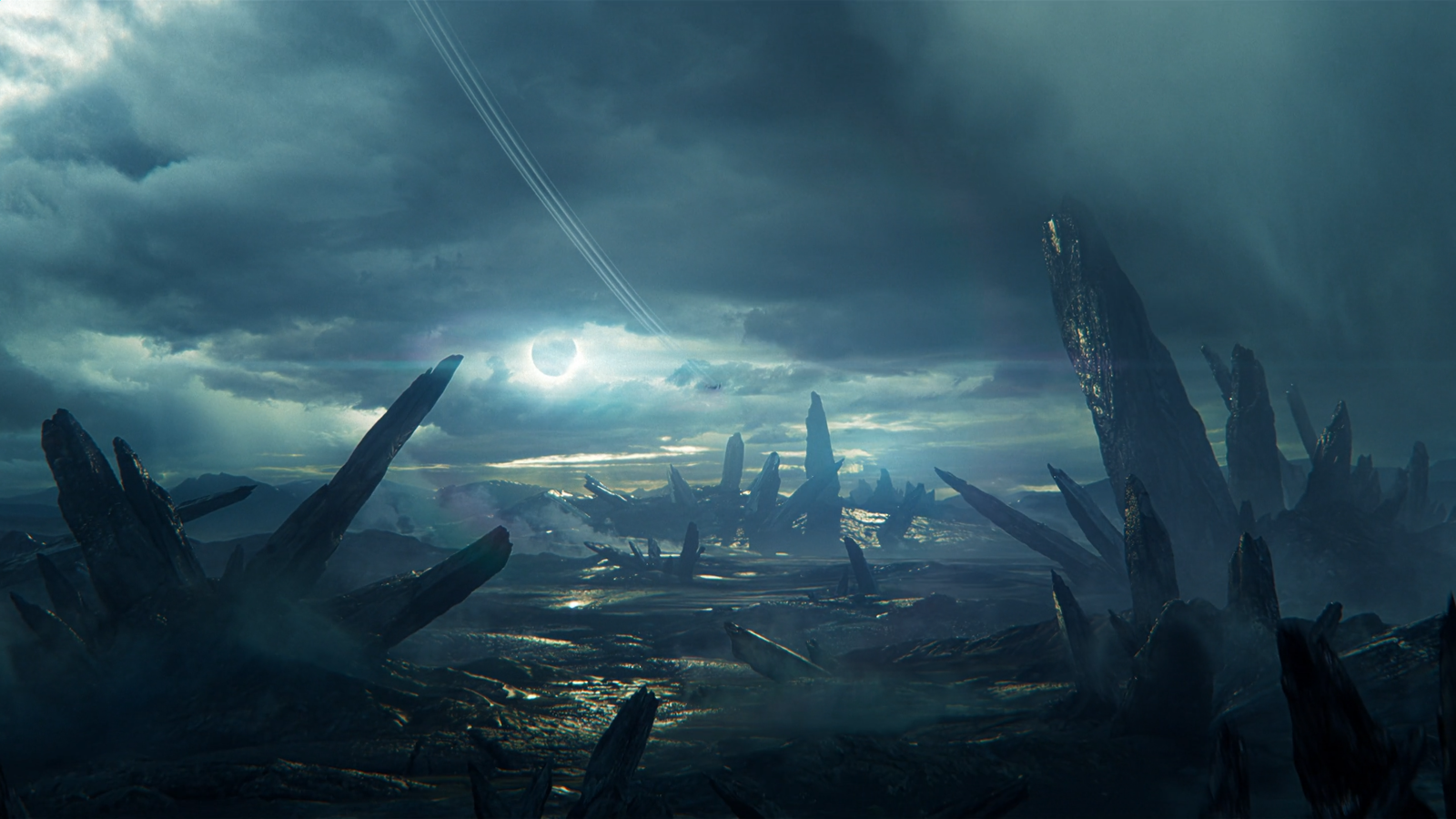
Combat spans cockpit action, arenas, racing, and PVE dogfights
The action side of the project includes ship-to-ship combat, FPS elements, shooter arena battles, racing tracks, and PVE dogfights. That range matters because the MMO pitch is not confined to one combat camera. The project presents a universe where quick competitive modes, vehicle skill, and fleet-scale strategy share the same fiction.
Third-person play gives the world an avatar-level perspective, while top-down fleet views support larger command decisions. The ability to shift between those perspectives is one of the design promises behind Star atlas: one universe should support personal immersion and broad tactical control.
A sensible first session starts with the browser layers
Typically, Starting with the browser experiences gives a new user the cleanest path into the project. Holosim explains the command fantasy without wallet setup. SAGE Labs shows how resources and production work. After that, the marketplace, ships, and token mechanics make more sense because the player has seen the loops those assets support.
- Try Holosim first to understand fleet positioning and strategic decisions.
- Use SAGE Labs to learn mining, crafting, scanning, and resource flow.
- Study ship roles before buying or deploying a fleet.
- Track ATLAS activity as part of the game economy, not as a standalone reason to participate.
- Keep wallet access and seed phrase storage separate from everyday browsing devices.
Where the risks sit for a blockchain space MMO
The project combines game development risk, token-market volatility, wallet custody, and live-economy balancing. A large MMO takes sustained production, and a player-driven economy changes when incentives, asset utility, or participation levels shift. Those are real design pressures, not side notes.
Wallet security deserves specific attention because ships, tokens, and marketplace items exist as digital assets. Losing seed phrase access, approving the wrong transaction, or using a compromised device turns game assets into recoverability problems. Star atlas is most approachable when a player treats account setup, wallet hygiene, and asset permissions as part of the onboarding process.

Other space and blockchain games frame the choice differently
Players comparing alternatives should separate three interests: space fantasy, deep MMO progression, and on-chain ownership. EVE Online remains the obvious reference point for player-driven space politics and markets, but it uses a traditional account model. No Man's Sky emphasizes exploration and survival across procedurally generated worlds. Star Citizen focuses on high-fidelity simulation and ship immersion.
In most cases, Star atlas stands apart by putting a blockchain economy beside the space MMO structure, with SAGE Labs, Holosim, ATLAS, POLIS, and the Galactic Marketplace all feeding the same universe. That makes it most relevant to players who want the economic layer to matter as much as flying, fighting, and exploring.
Helpful answers about Star atlas
- Does Star atlas require a crypto wallet to start playing?
- A wallet is not required for every entry point. Holosim is designed as a free browser simulation that lets players experience fleet strategy without owning ships, using high-end hardware, or connecting a crypto wallet. Wallet setup becomes relevant when a player moves into tokenized assets, marketplace activity, SAGE Labs asset use, or other on-chain parts of the ecosystem.
- What tokens are used in the Star atlas economy?
- The two important tokens are ATLAS and POLIS. ATLAS functions as the main economic token for rewards, marketplace activity, and game-related transactions. POLIS is tied to governance and longer-term influence within the ecosystem. They serve different purposes, so a player should not treat them as interchangeable even though both belong to the same universe.
- Which hardware do I need for SAGE Labs or Holosim?
- SAGE Labs and Holosim run in the browser, so they are lighter entry points than a full high-fidelity game client. Holosim is specifically positioned for players who do not have high-end hardware. Performance still depends on the browser, device, and network connection, but these modes are built to make fleet strategy and economic play more accessible.
- Can I play Star atlas without buying a ship first?
- Yes, the browser layers give players ways to understand the universe before buying ships. Holosim lets users try strategic fleet gameplay without ship ownership. SAGE Labs is more closely tied to fleet and asset management, so owning or accessing usable ships matters there. The best route is to learn the mechanics before committing to marketplace purchases.
- What happens if I lose access to my wallet?
- If wallet access is lost, the assets controlled by that wallet become difficult or impossible to move without the recovery phrase or other configured recovery method. This matters for ships, tokens, and marketplace items. Players should store recovery information offline, keep it private, and confirm wallet access before retiring an old phone or computer.
- Is Star atlas closer to EVE Online or No Man's Sky?
- It borrows recognizable appeal from both categories but lands in a different place. Like EVE Online, it emphasizes a player-driven economy, fleets, territory, and political scale. Like No Man's Sky, it leans into science-fiction exploration. Its blockchain economy, ATLAS token activity, and marketplace ownership make it distinct from both traditional space games.
- How are resources used after mining in SAGE Labs?
- Resources support production and crafting loops rather than sitting as isolated collectibles. Players manage fleets, mine materials, craft items, and scan for SDUs, creating inputs that feed the broader economy. The value of those actions comes from how resources connect to ships, crafted goods, marketplace demand, and future utility inside the Galia ecosystem.